Browse through our collection of money pictures. Find images of different currencies in bills and coins. Neatly stacked, flying around, spread around and many more. All our pictures are of high quality, so go ahead and use them for your blog or article - for free. Finance business luxury success cash bank gold piggy bank work. Find images of Cash Register. Free for commercial use No attribution required High quality images. Register Cash Money. Cashier Groceries.
The Federal Reserve Board currently issues $1, $2, $5, $10, $20, $50, and $100 notes.
Click on the notes below to learn more about their design and security features.
The first $1 Federal Reserve note was issued in 1963, and its design—featuring President George Washington and the Great Seal of the United States—remains unchanged. Take a look at the $1 note and its security features.
The back of the $2 Federal Reserve note features an engraving of John Trumbull's painting, “The Signing of the Declaration of Independence.” Although the original painting depicts 47 men, space constraints meant that only 42 could appear on the note. Take a look at the $2 note and its security features.
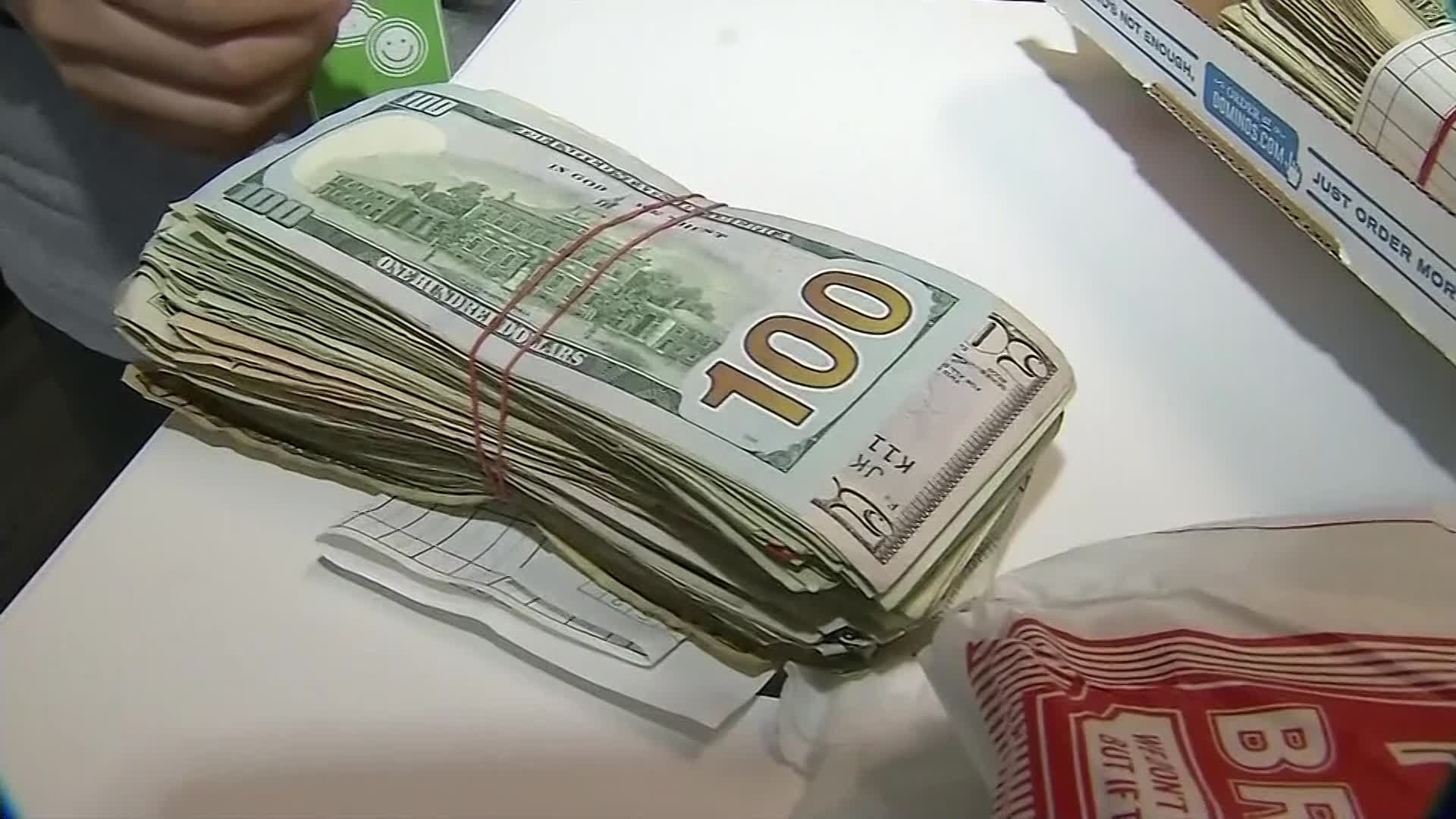
Images Of Cash Money
All Circulating Denominations
Each note includes security and design features unique to how the denomination is used in circulation. The U.S. government periodically redesigns Federal Reserve notes to make them easier to use, but more difficult to counterfeit. It is U.S. government policy that all designs of U.S currency remain legal tender, regardless of when they were issued. This policy includes all denominations of Federal Reserve notes, from 1914 to the present.
Cash Images Free
| Value | Image | Obverse | Reverse |
|---|---|---|---|
| Coins | |||
Penny | Abraham Lincoln 16th U.S. President | The Lincoln Memorial | |
| Thomas Jefferson 3rd U.S. President | |||
Dime 10¢ | Franklin Delano Roosevelt 32nd U.S. President | Olive Branch, | |
Quarter 25¢ | George Washington 1st U.S. President | American Bald Eagle | |
Half-Dollar | John F. Kennedy 35th U.S. President | The Presidential Seal | |
| Susan B. Anthony | |||
Golden Dollar $1 | Sacagawea | Soaring Eagle and 17 Stars | |
| Currency | |||
| George Washington 1st U.S. President | |||
$2 | Thomas Jefferson 3rd U.S. President | Signing of the Declaration of Independence -or- Monticello | |
| Abraham Lincoln 16th U.S. President | |||
$10 | Alexander Hamilton 1st U.S. Treasury Secretary | U.S. Treasury | |
| Andrew Jackson 7th U.S. President | |||
$50 | Ulysses S. Grant 18th U.S. President | U.S. Capitol | |
| Benjamin Franklin | |||
$500* | William McKinley 25th U.S. President | 'Five Hundred Dollars' | |
| Grover Cleveland 22nd/24th U.S. President | |||
$5,000* | James Madison 4th U.S. President | 'Five Thousand Dollars' | |
| Salmon P. Chase 25th U.S. Treasury Secretary | |||
$100,000* | Woodrow Wilson 28th U.S. President | 'One Hundred Thousand Dollars' | |
| * no longer in circulation | |||
Money Facts
Real Images Of Cash Money Images
Quarters, nickels, and dimes are currently made from nickel and copper.
Pennies are currently made from copper plated zinc.
Coins with ridges were originally made with precious metals. The ridges were used to easily detect people clipping or filing off these precious metals.
A U.S. Quarter has 119 grooves on its circumference. A dime has 118 grooves.
Lincoln faces to the right because the penny was an adaptation of a plaque.
E Pluribus Unum means 'Out of Many, One'.
On the back of a Roosevelt dime, the center torch signifies liberty. The oak branch to the right signifies strength and independence. The olive branch to the left signifies peace.
On an American one dollar bill, there is an owl in the upper left-hand corner of the '1' encased in the 'shield' and a spider hidden in the front upper right-hand corner.
The law prohibits portraits of living persons from appearing on Government
Securities.Currency paper is composed of 25% linen and 75% cotton.
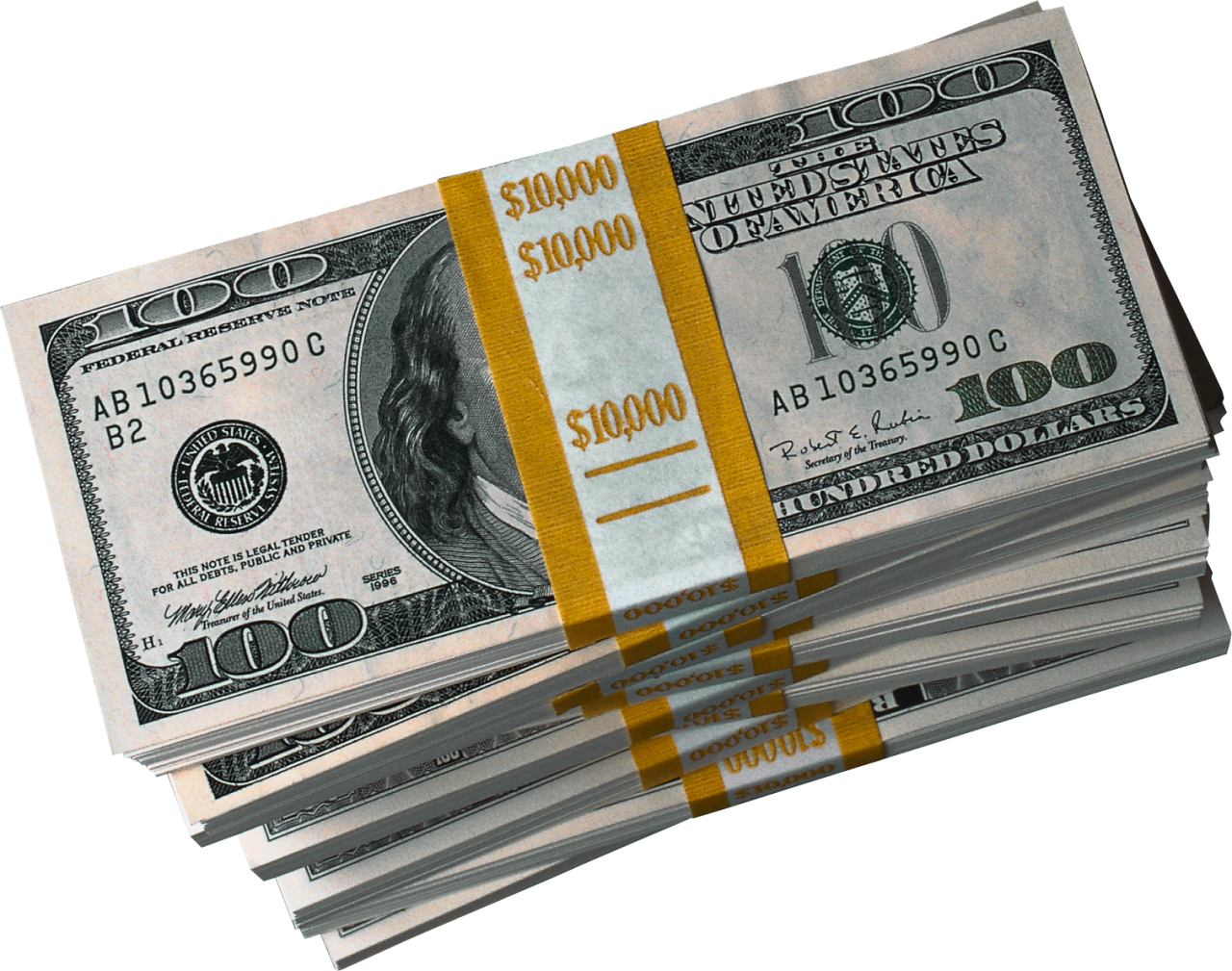
Printable Page
Real Cash Money Slots
Other Links:
Compound Interest, Currency Converter, Keep the Change game, Memory Test, Presidential Facts, U.S. Presidents, Money Quiz